EV Insurance: What Changes When You Go Electric
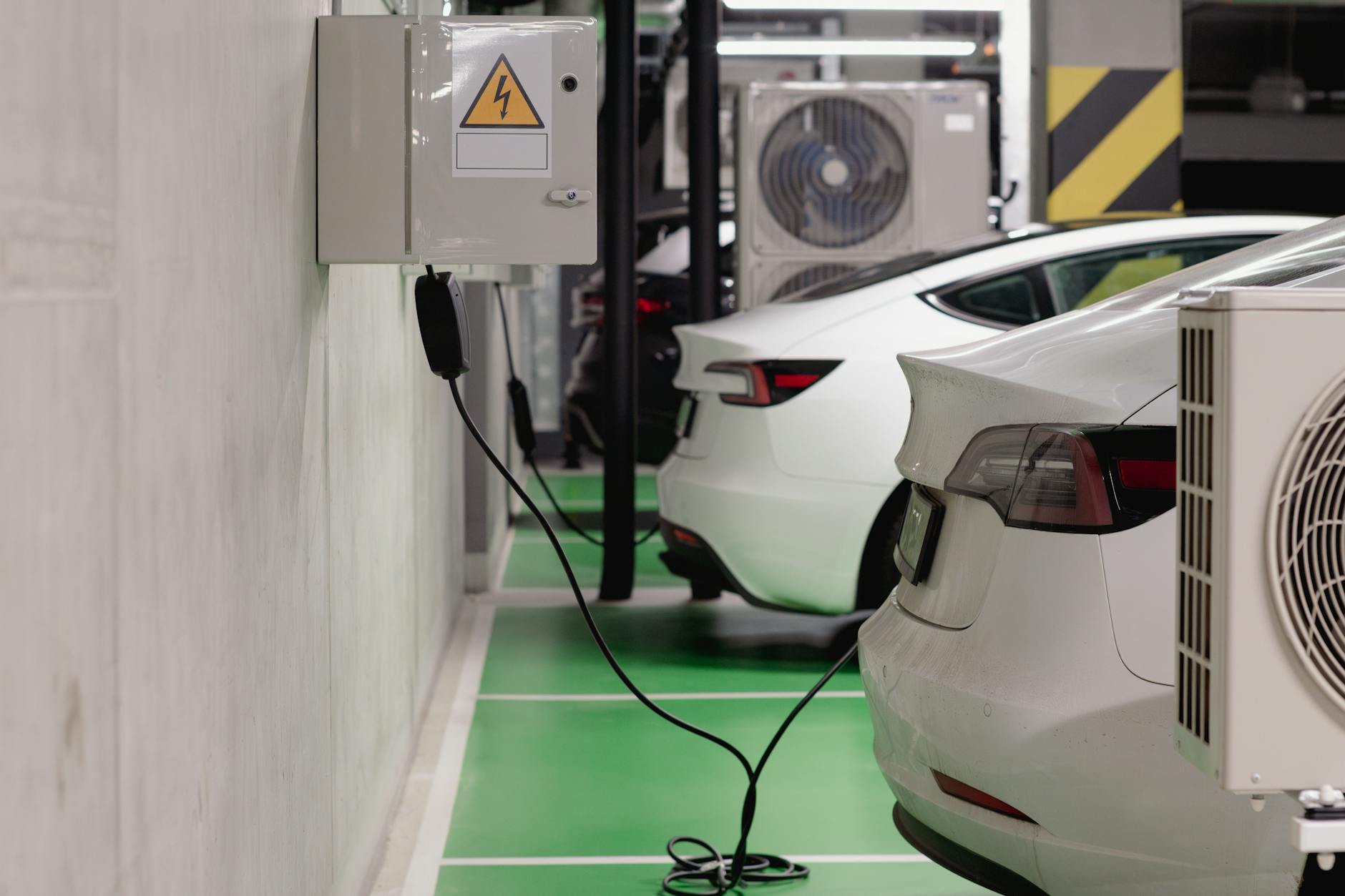
How EV Insurance Differs From Standard Auto Coverage
Switching to an electric vehicle is a significant financial and lifestyle decision — and your insurance policy needs to keep up. While the core structure of auto insurance remains the same, several factors shift meaningfully when your car runs on a battery instead of gasoline. Understanding those differences before you shop helps you avoid coverage gaps and overpaying.
Why EVs Often Cost More to Insure
Electric vehicles tend to carry higher insurance premiums than comparable gas-powered cars for a few key reasons:
- Higher purchase price: EVs generally cost more to buy, which means higher collision and comprehensive coverage costs when repairs or replacement are needed.
- Specialized repair costs: EV components — particularly battery packs and electric drivetrains — require trained technicians and specialized parts, which can make repairs more expensive and time-consuming.
- Limited repair network: Not every body shop is equipped to work on EVs, which can increase both claim costs and the time your car is out of service.
Battery Coverage: A Critical Detail
The battery is the most expensive single component in an electric vehicle. Standard auto policies may not explicitly spell out how battery damage is handled. When comparing carriers, ask directly:
- Is battery damage covered under comprehensive or collision?
- Are there exclusions for battery degradation over time?
- Does the policy cover battery replacement if the pack is damaged in an accident?
Some carriers now offer endorsements or specific language that addresses EV batteries. Comparing multiple carriers side by side makes it easier to spot which ones have thought through EV-specific coverage versus those using generic policy language.
Home Charging Equipment Coverage
Many EV owners install a Level 2 charger at home. Whether that equipment is covered under your auto policy, your homeowners policy, or not at all depends on the carrier. Some auto insurers exclude fixed property; some home insurers treat the charger as standard personal property. Review both policies together and look for any gap between them.
New Discounts That Apply to EVs
Switching to electric can also work in your favor on price. Several insurers offer discounts for:
- Vehicles with advanced driver-assistance systems (ADAS), which are common in EVs
- Low annual mileage, since many EV owners use their vehicle primarily for short commutes
- Telematics programs, where safe driving behavior tracked through an app lowers your rate
Not every carrier offers the same discount structure, so comparing quotes across at least three to five insurers is worth the effort.
Roadside Assistance for EVs
Running out of charge is not the same as running out of gas. Standard roadside assistance programs may not include mobile charging or flatbed transport to the nearest charging station. Verify that any roadside assistance included in your policy — or purchased as an add-on — explicitly covers EV-specific situations.
How to Compare EV Insurance Effectively
When shopping for coverage, treat your EV like the specialized vehicle it is. Use an independent comparison resource to view quotes from multiple carriers at once. Pay attention to:
- Whether battery coverage is explicit or implied
- Repair cost estimates and which shops are in the carrier's network
- Available EV-specific discounts
- Roadside assistance terms
Reading the actual policy language — not just the summary — is the only way to know exactly what you are buying. An independent review site that compares carriers without a vested interest in selling one product over another is a practical starting point for this research.
Frequently asked questions
Is EV insurance always more expensive than gas car insurance?
Not always, but it often is. The higher purchase price and specialized repair costs of EVs tend to push premiums up. However, safety technology discounts and low-mileage savings can offset some of the difference depending on the carrier and your driving profile.
Does my existing auto policy automatically cover my home charging station?
Usually not. Home charging equipment is typically considered fixed property and may fall under your homeowners or renters policy rather than your auto policy. Check both policies and confirm there is no gap in coverage before assuming you are protected.
Which carriers are best for EV insurance?
Several major and regional carriers have updated their products to address EV-specific needs, but offerings change frequently. Comparing multiple carriers through an independent platform gives you the most current picture of pricing and coverage terms for your specific vehicle.
Recommended in this guide
Often among the first quotes worth comparing for auto.
- Strong digital quotes
- Usage-based discount options
Reliable baseline quote for almost every auto shopper.
- Easy online flow
- Broad availability
Best when you value local agent support over pure DIY pricing.
- Huge agent network
- Strong bundling